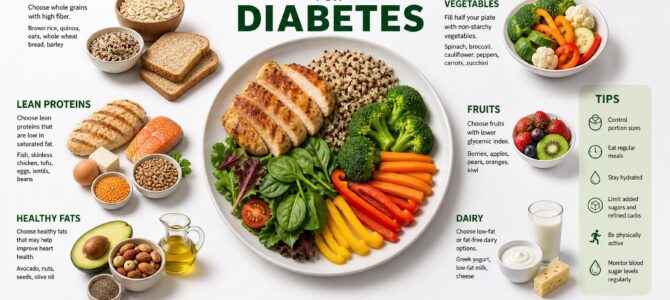
Controlling diabetes isn’t just about medication; it’s also largely about how you eat. Our diet plays a crucial role in blood sugar regulation, weight control, and reducing heart disease risk – common complications for individuals with diabetes.
Here’s how diet plays a role and key tips for managing diabetes:
1. **Low GI Foods:** Foods that are high in complex carbohydrates and fiber, such as whole grains, nuts, fruits, and vegetables, have a low glycemic index (GI). They produce a slower, lower rise in blood sugar levels after meals, keeping your glucose levels in check.
2. **Lean Proteins:** The body processes proteins slower than carbs, so a diet rich in lean meats, poultry, and fish can help stabilize blood sugar levels.
3. **Heart-Healthy Fats:** Diabetes increases the risk of heart diseases. Including monounsaturated and polyunsaturated fats (found in avocados, fatty fish, nuts, and seeds) in meals can reduce LDL cholesterol and lower heart disease risk.
However, creating a balanced diet for diabetes control can be challenging. Here are some tips to guide you:
1. **Portion Control:** Even healthy foods can cause blood sugar surges if eaten in large quantities. Learn to measure accurate serving sizes.
2. **Regular Eating Schedule:** Eating regular meals and snacks can help your body maintain stable blood sugar levels throughout the day.
3. **Hydrate:** Drinking sufficient water aids metabolism and helps the kidneys flush out excess blood sugar.
4. **Limit Processed Foods and Sugars:** These foods are high in simple carbs and sodium and can raise blood sugar and blood pressure levels.
5. **Be Active:** Regular physical activity helps your body become more sensitive to insulin, which can lower your blood sugar levels.
6. **Alcohol Moderation:** Alcohol, especially on an empty stomach, can lead to low or high blood sugar levels.
7. **Regular Monitoring:** Keep track of your blood sugars regularly. Understanding how different foods affect your blood glucose levels can help tailor your diet better.
8. **Dietitian Consultation:** Every person is unique, and so are the dietary requirements. Consulting a registered dietitian can help create a meal plan that fits your personal health goals, food preferences, and lifestyle.
Remember, a diabetes-friendly diet isn’t a restrictive diet but a healthier eating plan that’s naturally rich in nutrients and low in fat and calories with lots of fruits, vegetables, and lean proteins. Sticking to a diabetic diet is more about making smart food choices. The goal is to keep day-to-day glucose levels within a target range decided by you and your health providers.